





 English
  Francês
  Alemão
  Italiano
  Japonês
  Norueguês
  Portuguese
  Spanish
  5 min of reading


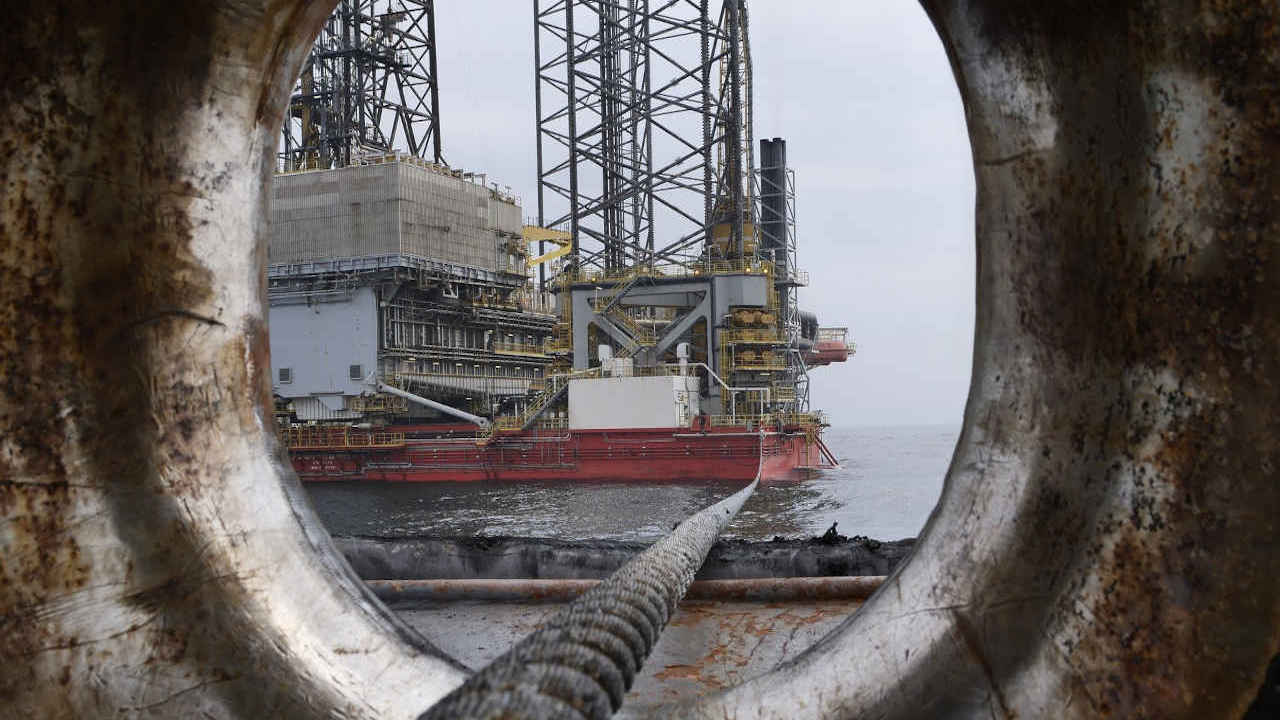
Petrobras Joins Global Giants Shell and Total and Confirms Leadership Position in Brazil’s Pre-Salt; Environmentalists Protest
The 2nd Round of Bidding for the Surplus of the Onerous Cession in the Production Sharing Regime in the offshore fields of Atapu and Sépia, conducted by ANP (National Agency of Petroleum, Natural Gas and Biofuels), sparked mixed reactions in the Brazilian oil and gas market.
Also Read
- Brazilian Oil Company Enauta Reaches 20 Million Barrels of Oil in Less Than Four Years of Operation at the Atlanta Field, in the Santos Basin
- After Closing Agreement with Heineken for Production and Distribution of Alcoholic Beverages, Coca-Cola Buys Brazilian Bottler CVI Refrigerantes for 100 Million Euros, Intensifying Competition with Giant Ambev
- Helpers, Bricklayers, Mechanics, Electricians, Technicians, Designers, Analysts, and More Job Openings for Industrial and Building Maintenance Work in SP and MG
- Mubadala Sovereign Fund, of the Crown Prince of Abu Dhabi, is Eyeing the Collapse of Eike Batista’s Empire
Union activists linked to workers protested against the increased foreign presence in the sector, deemed strategic for the defense of national sovereignty, while oil companies and major fuel distributors assessed the auction result as positive for boosting competitiveness and attracting new investments at a time when the economy is facing a technical recession, high inflation, and elevated unemployment. Environmentalists also protested in front of the hotel in Rio de Janeiro where the auction took place.
Petrobras Partnered with Shell Brasil and Total Energies EP and Acquired Exploration and Production Rights for Oil and Gas in the Atapu and Sépia Fields.
In the auction, Petrobras acquired the exploration and production rights for the volumes surplus to the onerous cession in the offshore fields of Atapu and Sépia. The state-owned company exercised its preference right to acquire the surplus volumes from the Sépia field, joining the winning consortium’s proposal. The consortium will have Petrobras as the operator, with a 30% stake, in partnership with TotalEnergies EP (28%), Petronas (21%), and QP Brasil (21%).
-
Brazilian giant expands borders in the Southeast: Petrobras confirms new oil discovery in ultra-deep waters in the pre-salt of the Campos Basin.
-
Alert in the global energy market: Severe tropical cyclone hits the coast and disrupts gas production at major plants in Australia, threatening global supply.
-
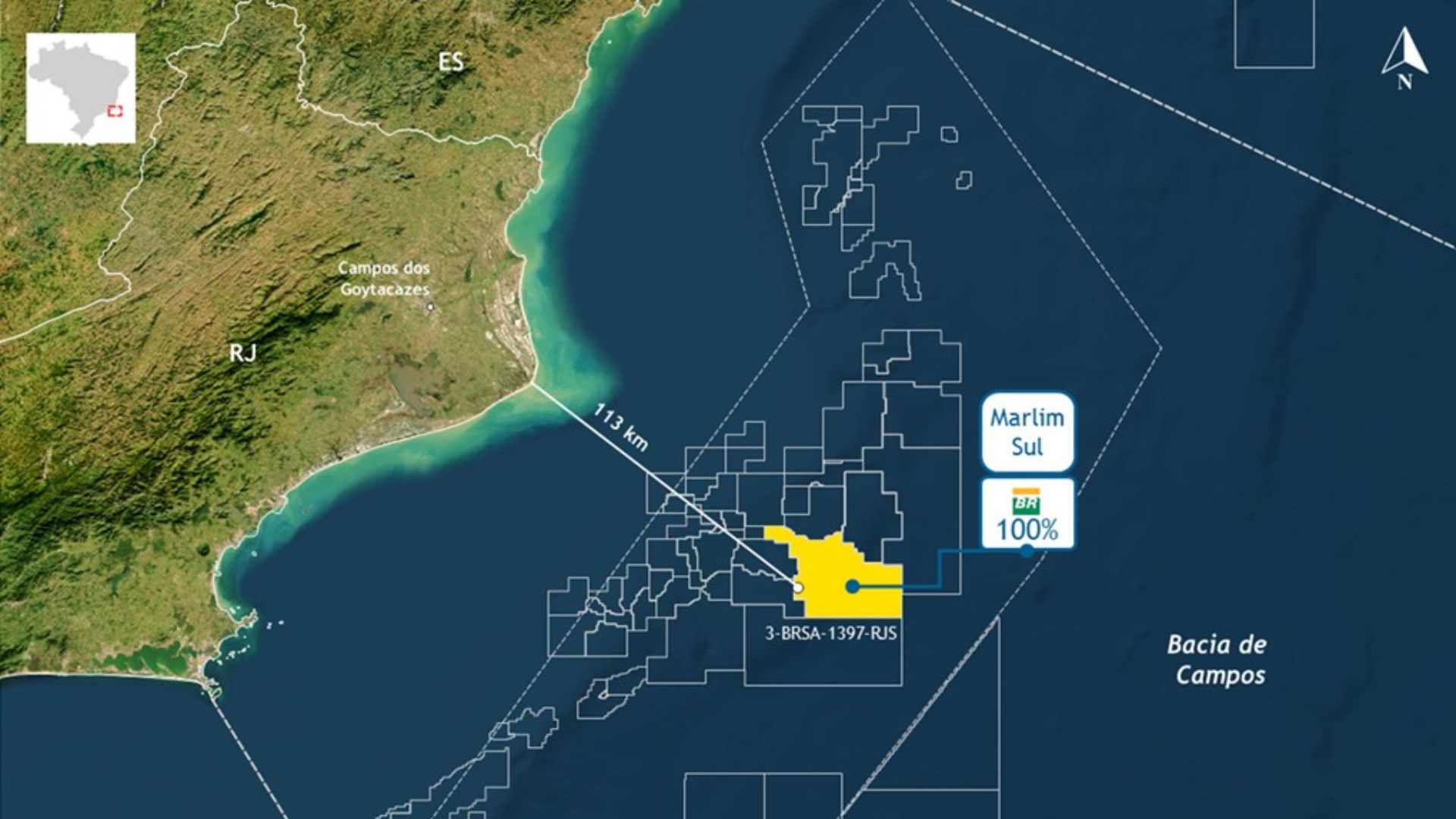
Petrobras finds high-quality oil in the pre-salt at 113 km from RJ and reignites expectations about strategic reserves in the Campos Basin.

-
Ocyan opens registrations for startups focused on innovation in the oil and gas sector and will select projects for Innovation Day with the support of Nexio.


Regarding the Atapu field, the oil company partnered with Shell Brasil and Total Energies EP. The consortium will have Petrobras as the operator, with a 52.50% stake, in partnership with Shell Brasil (25%) and TotalEnergies (22.50%).
“The auction represented the last opportunity for access to large already discovered volumes of the pre-salt, resulting in more than 11 billion reais in signing bonuses. Additionally, relevant percentages of oil surplus were offered at 37.43%, with a premium of 149.2% for Sépia, and 31.68% with a premium of 437.86% for Atapu. As a consequence of the government’s efforts, in collaboration with the industry, to improve competitive conditions, the auction attracted participation from major global companies. The winning consortiums were Petrobras with Total Energies (Sépia and Atapu), Petronas (Sépia), QP (Sépia), and Shell (Atapu),” stated IBP (Brazilian Institute of Petroleum), which reflects the perspective of oil companies, fuel distributors, and suppliers in the sector.
In a statement, the entity considered that the outcome of the second round of bidding signifies the execution and contracting of substantial investments to increase production and, consequently, generate jobs, income, foreign exchange, and revenues for the country. “For upcoming auctions of exploratory areas to be competitive, IBP emphasizes the importance of having an attractive business environment for investments, with stable rules and legal security, so that we can take advantage of the current window of opportunity and contribute to energy security during this transition to a low-carbon economy,” it says.
With the results of today’s auction, Petrobras stated that it ensures the continuation of operations in the two fields, for which it had already expressed interest in the preference right, according to a statement released to the market on April 28, and confirms its leadership position in Brazil’s pre-salt, consistent with its strategy to focus on the exploration and production of assets in deep and ultra-deep waters.
According to the state company, Atapu and Sépia are assets with proven high productivity, oil of good characteristics, and significant reserve incorporation potential. They have low extraction costs and are resilient to a low-price scenario, reflecting Petrobras’s efficient and competitive operations in deep and ultra-deep water assets.
Atapu Field Reached 150 Thousand Barrels of Oil Per Day and Sépia Field Started Production via the FPSO Carioca, the Largest Platform in Operation in Brazil in Terms of Complexity!
The Atapu field began its production in June 2020 through the FPSO P-70 and reached its production capacity of 150 thousand barrels of oil per day in July 2021. It has the capacity to process up to 6 million m³/d of gas. The Sépia field started production in August 2021 through the FPSO Carioca, the largest platform in operation in Brazil in terms of complexity.
The offer of the percentage of oil surplus to be made available to the Union was the only criterion adopted by ANP to determine the winning proposal, with the fixed signing bonus value already specified in the tender. The total signing bonus to be paid by Petrobras is R$ 4.2 billion.
For Atapu and Sépia, the compensation value before the “gross up” is respectively US$ 3,253,580,741.00 and US$ 3,200,388,219.00 and will be paid by the partner companies to Petrobras in proportion to their stake in the consortiums. For Atapu, Petrobras will receive the compensation by April 15, 2022. The compensation date for Sépia will be defined after negotiation with the consortium.

Guanabara Bay Fishermen Raise Banners Against Oil and Gas Exploration
The auction also saw protests from environmentalists from 350.org and artisanal fishermen from eight associations in the Greater Rio de Janeiro Region, who protested in front of the Windsor Barra Hotel in the state capital, calling for an end to new oil and gas projects along the Brazilian coast.
The fishermen brought a boat and fishing nets to the hotel entrance, according to a statement from the organization, to remind the executives of the participating companies that fishing communities in Greater Rio de Janeiro suffer daily from the impacts of oil and gas extraction, transportation, and refining. “The bids from companies in today’s auction will, tomorrow, be the impacts that affect us, such as oil spills and contamination of fishing resources,” stated Alexandre Anderson, president of the Association of Men and Women of Guanabara Bay (Ahomar), an organization based in Magé.
One of the damages caused by the oil and gas sector in the region is the frequent contamination of sections of Guanabara Bay by oil and chemicals used by the companies, the group noted. “Small and large spills, as well as intentional discharges of these substances, are reported almost weekly by fishermen. Failures, misconduct, and lack of maintenance are the rule, not the exception, in the operations of terminals and refineries in Rio de Janeiro,” Anderson stated.
:quality(70)/cloudfront-us-east-1.images.arcpublishing.com/bloomberglinea/UZVHLHQQANGRHP7R77A27ELZM4.jpg)






Seja o primeiro a reagir!